Physical Address
304 North Cardinal St.
Dorchester Center, MA 02124
Physical Address
304 North Cardinal St.
Dorchester Center, MA 02124
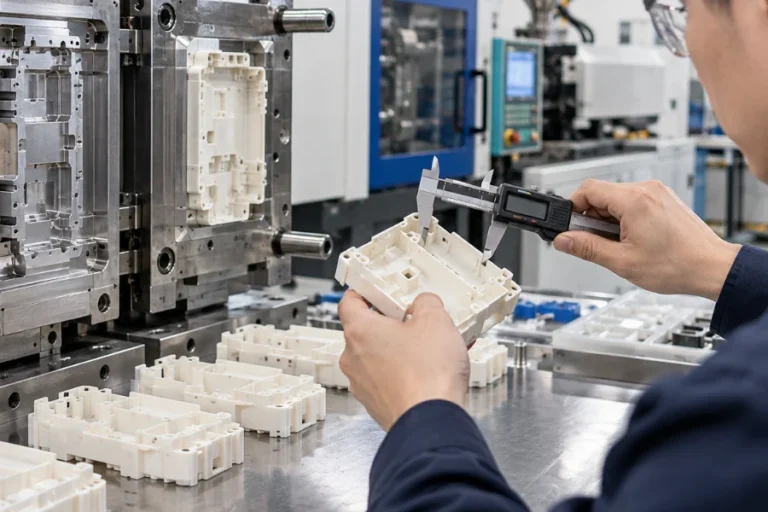
Injection molding is highly repeatable, but molded dimensions do not exactly match their nominal CAD values from shot to shot. Resin shrinkage, part geometry, cooling behavior, tooling, and process variation all influence the dimensions measured after molding. For this reason,…
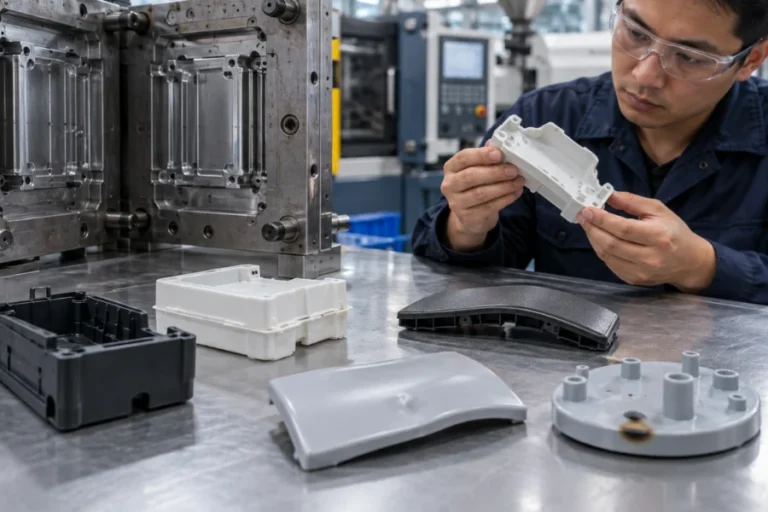
Injection molding defects rarely come from one machine setting alone. A short shot may result from insufficient injection pressure, but the same symptom can also point to a restrictive gate, trapped air, excessive flow length, low melt temperature, or inconsistent…
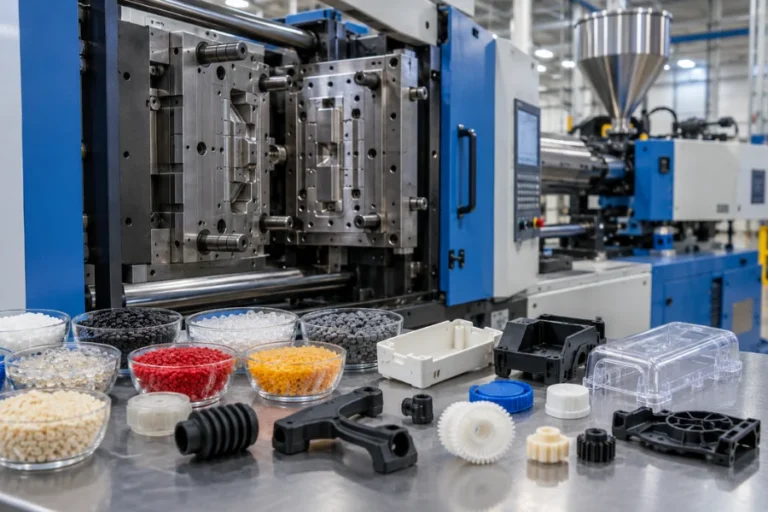
Injection molding can process a broad range of polymers, but choosing a resin involves more than matching strength, temperature resistance, or price. Material behavior also affects cavity filling, shrinkage during cooling, dimensional stability, cycle requirements, and what the mold and…
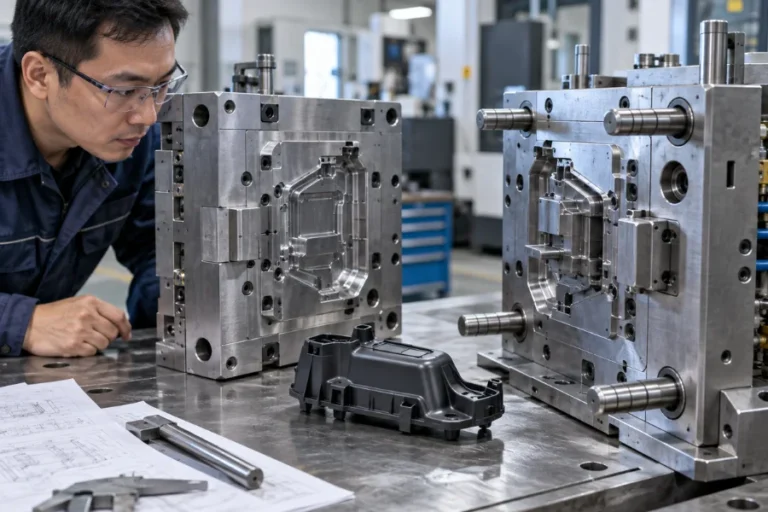
A mold can produce an acceptable part during an initial trial and still perform poorly in production. Uneven cooling, unstable ejection, trapped air, mold deflection, or difficult maintenance may only become apparent after repeated cycles. Injection mold design goes beyond…
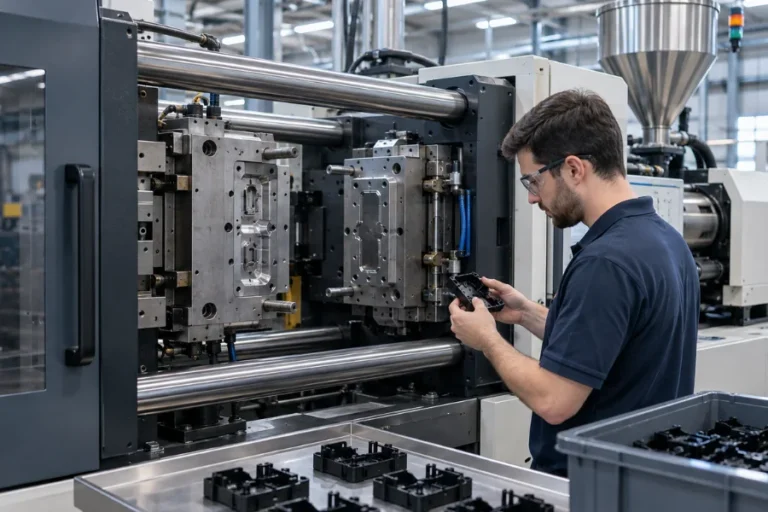
The injection molding process is often described as melting plastic, injecting it into a mold, cooling it, and ejecting the finished part. In production, each stage changes the conditions for the next. Material preparation affects melt stability, filling determines how…
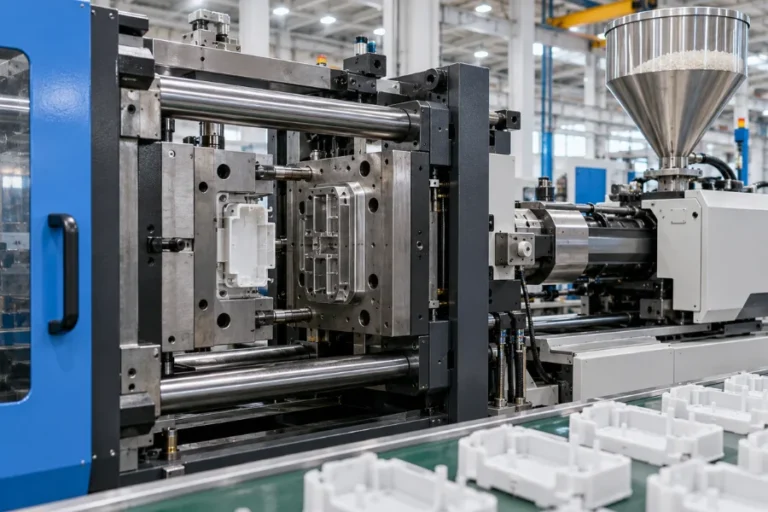
Injection molding turns polymer material into repeatable parts through a controlled cycle of plasticizing, filling, packing, cooling, and ejection. The basic concept is simple; the engineering challenge is reproducing the required geometry and quality consistently over repeated production cycles. That…
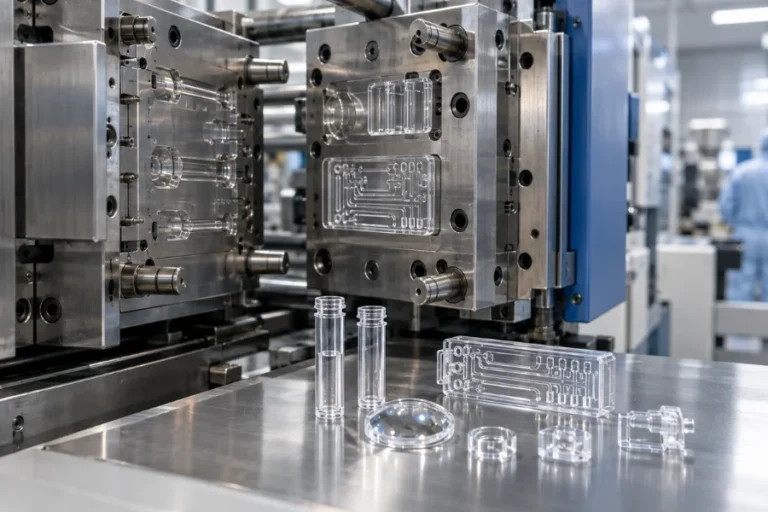
Cyclic olefin copolymer (COC) is a transparent, amorphous thermoplastic used when optical performance, low moisture absorption, dimensional stability, purity, or moisture barrier properties are critical. These characteristics have established COC in medical devices, pharmaceutical packaging, microfluidics, precision optics, and selected…
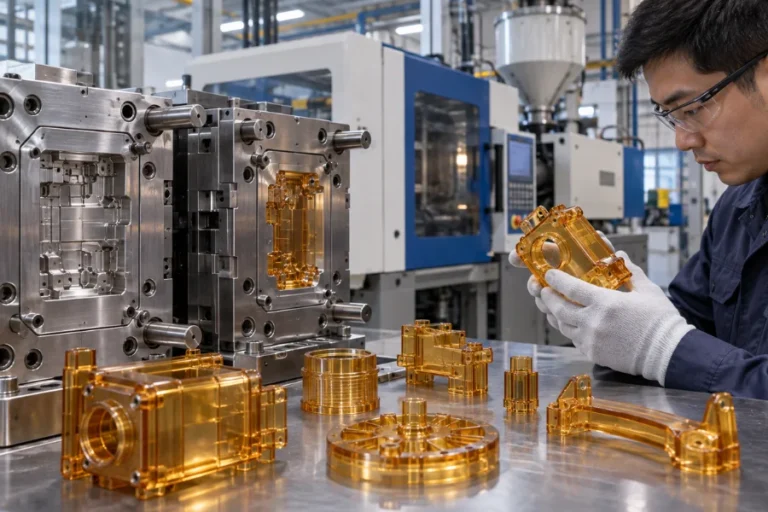
Ultem is a high-performance thermoplastic used when conventional engineering plastics cannot provide enough heat resistance, dimensional stability, stiffness, flame resistance, or electrical insulation. It is a commercial family of polyetherimide (PEI), an amorphous polymer commonly recognized by its natural translucent…
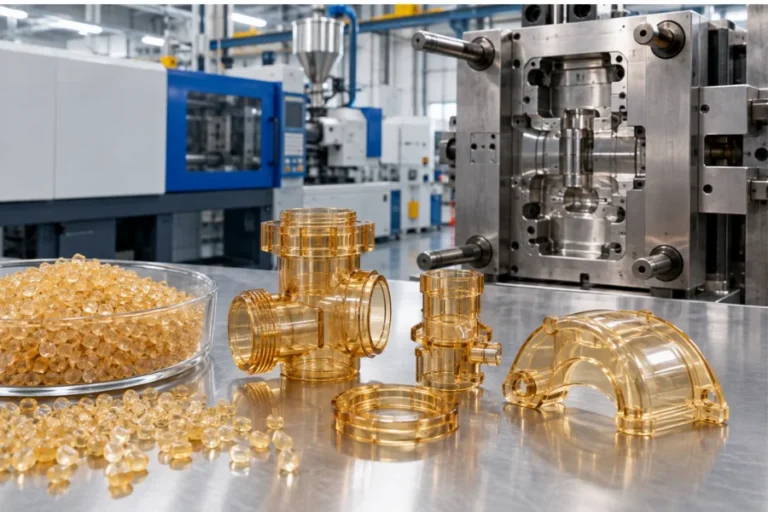
PPSU is a high-performance thermoplastic used when plastic parts must tolerate combinations of heat, steam, chemicals, and mechanical impact that can shorten the service life of conventional polymers. Reusable medical components, hot-water fittings, and sterilizable products are common examples. For…
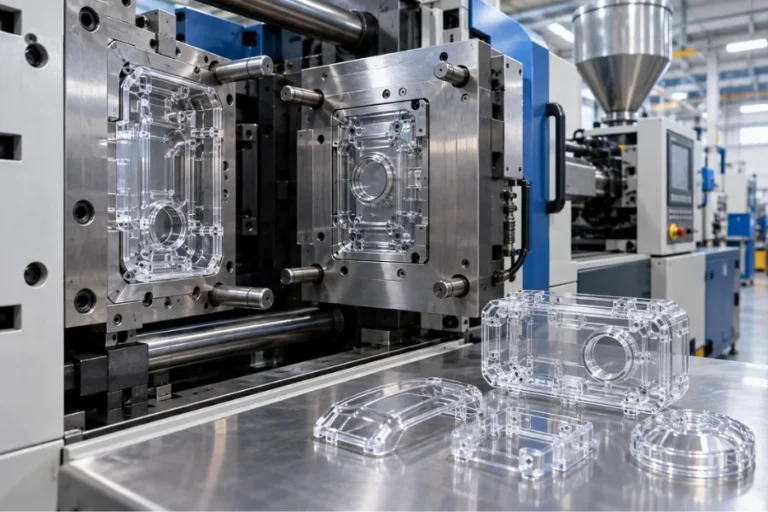
PETG is a transparent thermoplastic copolyester valued for its balance of toughness, clarity, and formability. Its molecular structure is modified to suppress crystallization, giving it different processing behavior from conventional PET. For injection-molded parts, this difference affects moisture control, melt…